• Blog
  • Account
  • Checkout
Paws of Elegance
  • Dog Products
  • Bond Building Essentials
  • Owners Top Picks
  • Featured Sale Items
  • Training Aids
  • Supplements & Treats
  • Dog Products
  • Bond Building Essentials
  • Owners Top Picks
  • Featured Sale Items
  • Training Aids
  • Supplements & Treats

Shop By Category:

  • Dog Products
  • Bond Building Essentials
  • Owners Top Picks
  • Featured Sale Items
  • Training Aids
  • Supplements & Treats
Home > Blog > The Science of Devotion: How Your Dog Knows You Love Them

The Science of Devotion: How Your Dog Knows You Love Them

The Science of Devotion: How Your Dog Knows You Love Them
by Author Name on
May 24th, 2026


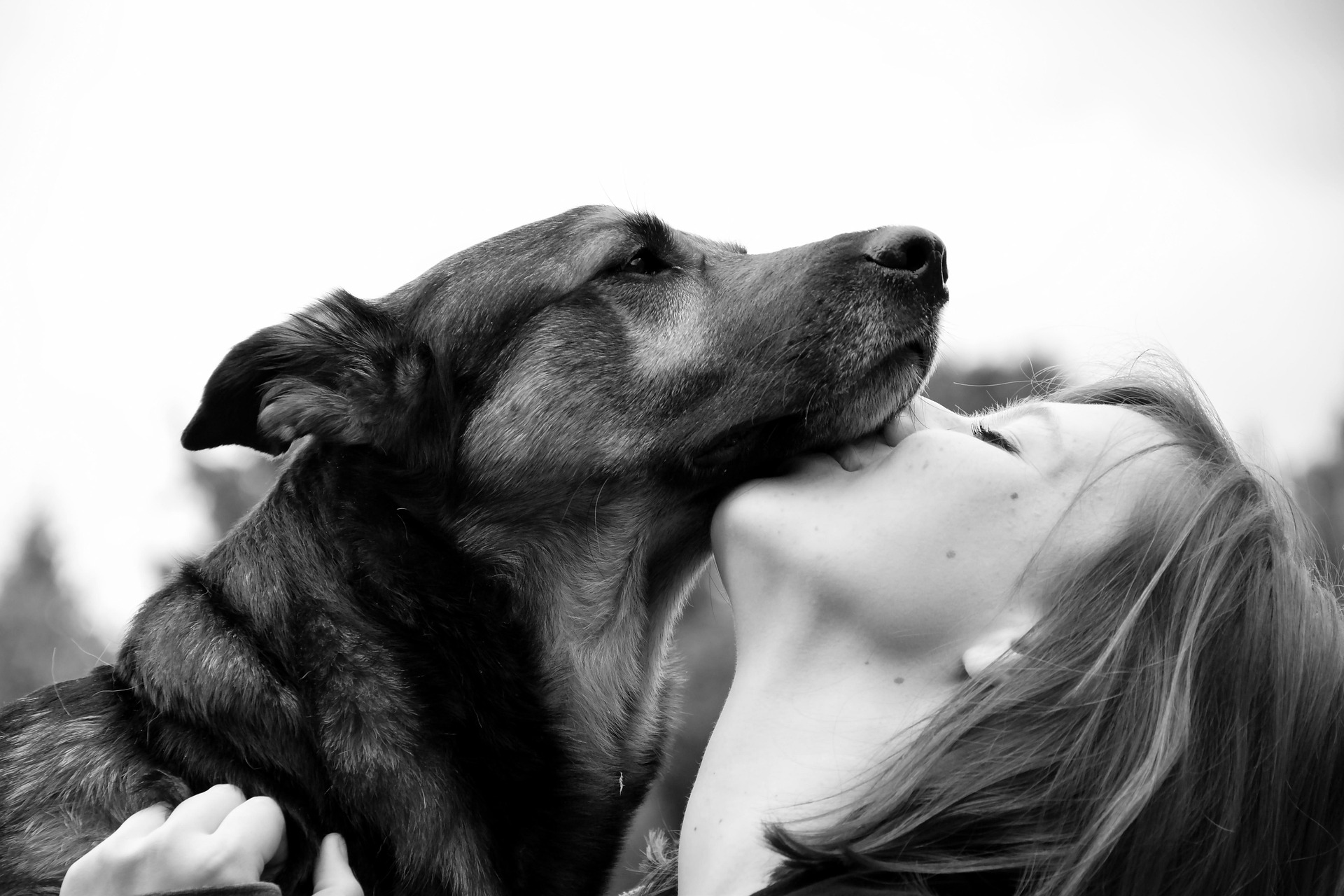
As dog owners, we constantly shower our furry companions with affection—belly rubs, premium treats, enthusiastic baby talk, and cozy spots on the couch. But without a shared spoken language, it’s natural to wonder: Does my dog actually understand that these gestures mean "I love you"?

The short answer is a resounding yes. The canine-human connection is one of the most unique interspecies relationships on Earth. Thanks to thousands of years of co-evolution, dogs have developed sophisticated biological and behavioral mechanisms to read our emotions and recognize our devotion.

Here is exactly how your dog decodes your affection and knows without a doubt that they are a cherished member of your pack.


1. The Chemistry of Connection: The "Love Hormone"


The bond between a human and a dog isn't just a emotional feeling; it is a measurable biological phenomenon. Research has revealed that when humans and dogs gaze into each other’s eyes, both experience a significant spike in oxytocin, often referred to as the "love hormone" or "bonding hormone."


This is the exact same chemical feedback loop that occurs between a human mother and her newborn infant. When you look at your dog with affection, their brain responds with a rush of well-being, signaling that they are safe, valued, and deeply loved.


2. They Decode Your Vocal Visuals


Dogs may not comprehend syntax, but they are world-class experts at reading human tone and pitch. When you use a high-pitched, enthusiastic "baby talk" voice—often referred to by behaviorists as dog-directed speech—your dog’s brain lights up.


Studies utilizing fMRI brain scans show that the reward centers of a dog’s brain respond far more strongly to praise and happy tones than to neutral speech. Even if you are just repeating silly nicknames, the rhythmic, warm cadence of your voice tells your dog exactly where they stand in your heart.


3. Your Body Language is an Open Book


Dogs are brilliant observers of human body language. They can track the subtle movements of your face, the tension in your shoulders, and the openness of your posture.


  • Facial Expressions: Dogs can differentiate between a happy human face and an angry or neutral one. When you smile at your dog, they recognize the soft eyes and relaxed muscles as signs of safety and affection.


  • Physical Proximity: In the canine world, sharing space is a massive sign of trust. When you lean in to stroke their fur, invite them up for a cuddle, or simply sit near them on the floor, you are communicating safety and belonging in a language they inherently understand.


4. The Power of Routine and Reliability


To a dog, love is a verb. It is spelled out through predictability, resources, and protection.


Because dogs thrive on structure, your daily commitment to their well-being tells them everything they need to know. Providing regular meals, initiating daily walks, and offering a secure sleeping environment are massive indicators of affection in canine psychology. By establishing yourself as a reliable guardian, you are telling your dog, "I value you, and I will keep you safe."


How Your Dog Says "I Love You" Back


Communication is a two-way street. Once your dog registers your affection, they will reflect it back to you through their own distinct behavioral cues:


  • The Soft, Sustained Eye Contact: Unlike wolves, for whom eye contact is a challenge, a dog’s gentle gaze is a sign of deep comfort and bonding.


  • The "Lean": When your dog walks up to you and presses their body weight against your legs, it is a physical manifestation of trust and a desire for closeness.


  • The Left-Leaning Wag: Studies suggest that when dogs feel happy and connected to their owner, their tails tend to wag with a bias toward the left side of their body.

  • Yawning When You Yawn: Just like in humans, contagious yawning in dogs is linked to empathy. A dog that catches your yawn is deeply attuned to your emotional state.


The Bottom Line: You don't need a translator to tell your dog how much you care. Your presence, your gentle tone, and your consistent care speak volumes. Every time you welcome them into your space, their biology and instincts confirm what they already feel: they are loved.


Tags

  • The Human-Animal Bond

Information

  • About Us
  • Contact Us
  • Shipping & Returns
  • Privacy Policy
  • Terms & Conditions
  • Dog Collar Size Guide

My Account

  • My Account
  • Order History
  • Track Orders
  • Address Book

Secure Payments

© Paws of Elegance. All Rights Reserved.
Our website uses cookies to make your browsing experience better. By using our site you agree to our use of cookies. Learn More I Agree
× What Are Cookies As is common practice with almost all professional websites this site uses cookies, which are tiny files that are downloaded to your computer, to improve your experience. This page describes what information they gather, how we use it and why we sometimes need to store these cookies. We will also share how you can prevent these cookies from being stored however this may downgrade or 'break' certain elements of the sites functionality. For more general information on cookies see the Wikipedia article on HTTP Cookies. How We Use Cookies We use cookies for a variety of reasons detailed below. Unfortunately in most cases there are no industry standard options for disabling cookies without completely disabling the functionality and features they add to this site. It is recommended that you leave on all cookies if you are not sure whether you need them or not in case they are used to provide a service that you use. Disabling Cookies You can prevent the setting of cookies by adjusting the settings on your browser (see your browser Help for how to do this). Be aware that disabling cookies will affect the functionality of this and many other websites that you visit. Disabling cookies will usually result in also disabling certain functionality and features of the this site. Therefore it is recommended that you do not disable cookies. The Cookies We Set
Account related cookies If you create an account with us then we will use cookies for the management of the signup process and general administration. These cookies will usually be deleted when you log out however in some cases they may remain afterwards to remember your site preferences when logged out. Login related cookies We use cookies when you are logged in so that we can remember this fact. This prevents you from having to log in every single time you visit a new page. These cookies are typically removed or cleared when you log out to ensure that you can only access restricted features and areas when logged in. Form related cookies When you submit data to through a form such as those found on contact pages or comment forms cookies may be set to remember your user details for future correspondence. Site preference cookies In order to provide you with a great experience on this site we provide the functionality to set your preferences for how this site runs when you use it. In order to remember your preferences we need to set cookies so that this information can be called whenever you interact with a page is affected by your preferences.
Third Party Cookies In some special cases we also use cookies provided by trusted third parties. The following section details which third party cookies you might encounter through this site.
This site uses Google Analytics which is one of the most widespread and trusted analytics solution on the web for helping us to understand how you use the site and ways that we can improve your experience. These cookies may track things such as how long you spend on the site and the pages that you visit so we can continue to produce engaging content. For more information on Google Analytics cookies, see the official Google Analytics page. We also use social media buttons and/or plugins on this site that allow you to connect with social network in various ways. For these to work, the social networks may set cookies through our site which may be used to enhance your profile on their site, or contribute to other purposes outlined in their respective privacy policies.