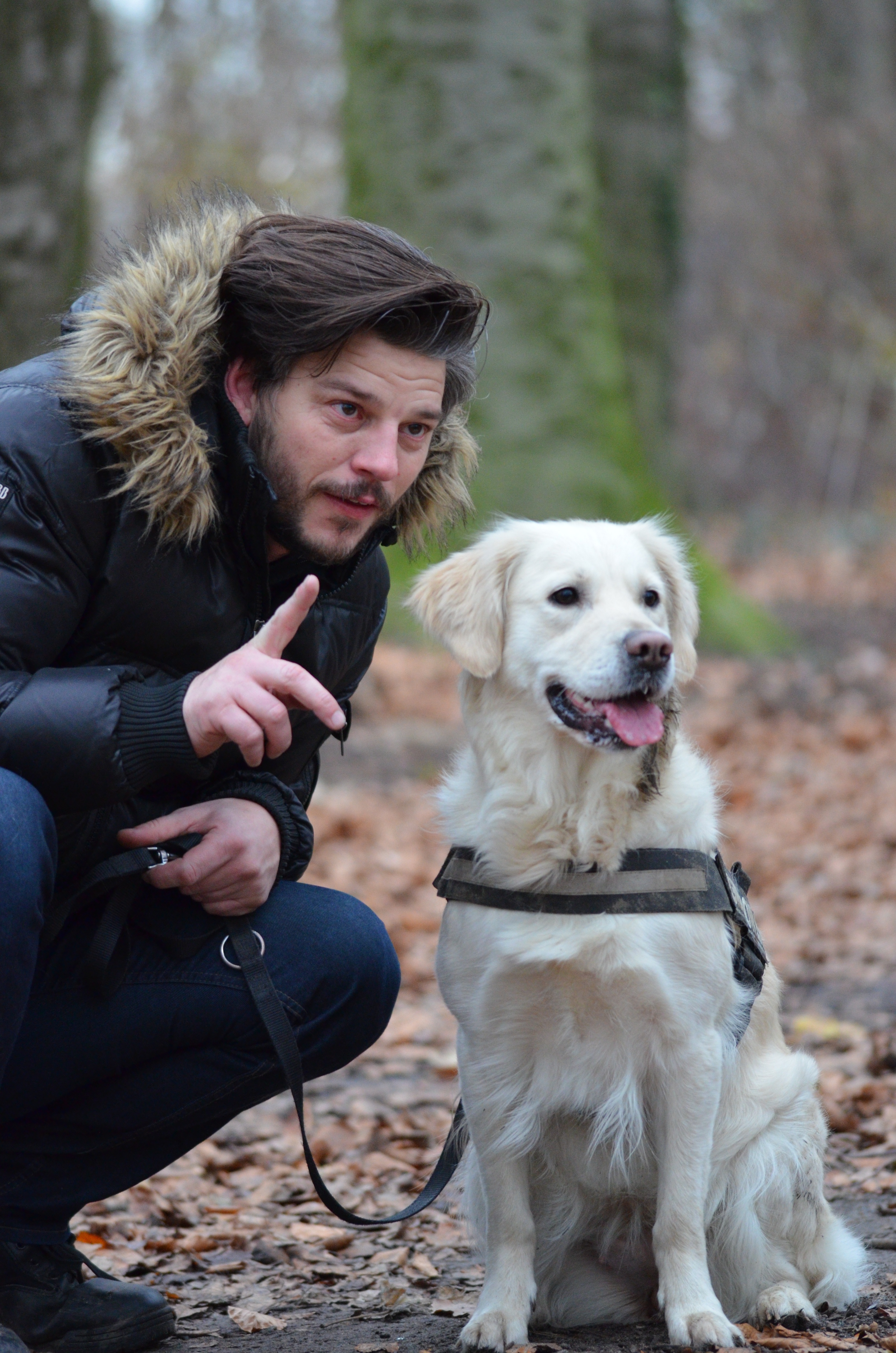
In our busy lives, juggling work, family, and daily errands can leave us feeling a bit of "pet parent guilt." We look at our dogs lounging on the rug and wonder: Am I spending enough quality time with them? How much attention do they actually need to feel loved, secure, and bonded to me?
The human-animal bond is a profound, two-way street. It reduces our stress, boosts their happiness, and creates a shared language of trust. But you don't need to dedicate hours of uninterrupted focus every single day to achieve a deep connection.
In fact, behavioral experts suggest there is a sweet spot for focused daily interaction. Here is a look at the "magic number" of minutes your dog needs, and how to make every second count.
The Magic Number: 30 to 45 Minutes of Focused Attention
While your dog is likely thrilled just to be in the same room as you while you work or watch TV, passive companionship isn’t the same as active attention.
To truly enhance the human-animal bond, aim for 30 to 45 minutes of dedicated, focused attention per day.
This doesn’t have to happen all at once! Breaking this time up into bite-sized, high-energy, or deeply relaxing intervals throughout the day is actually more beneficial for your dog’s mental stimulation and routine.
Quality Over Quantity: How to Divide the Time
How you spend those minutes matters far more than the ticking of a clock. Here are four powerful ways to fill your dog’s daily attention quota:
1. The Focused Walk (15–20 Minutes)
This isn't just a quick bathroom break while you scroll on your phone. A focused walk means you are actively engaged. Let your dog sniff—sniffing is how they read the neighborhood "news" and drastically lowers their heart rate. Use this time to practice loose-leash walking, change directions unexpectedly to keep them checking in with you, and offer verbal praise when they look up at your face.
2. Mind Games & Training (10 Minutes)
Mental exercise tires a dog out just as much as a long run, and working together on commands builds incredible trust. Spend ten minutes practicing classic tricks or teaching a new one. When you ask your dog to think and reward them for a job well done, you are directly reinforcing your position as their favorite, most rewarding partner.
3. Intentional Play (5–10 Minutes)
Whether it's a structured game of fetch, a gentle game of tug-of-war, or hid-and-seek with their favorite toy inside the house, interactive play releases endorphins for both of you. Ensure the play has a clear beginning and end so your dog learns boundaries while having a blast.
4. The Calming Touch (10 Minutes)
Physical touch is a massive pillar of the human-animal bond. Dedicated cuddle time, a slow brushing session, or a gentle canine massage lowers cortisol (the stress hormone) in both dogs and humans. Sit on the floor at their level and focus entirely on petting them in their favorite spots—behind the ears, under the chin, or chest rubs.
Signs Your Dog is Asking for More Connection
Dogs are brilliant communicators. If they feel their daily attention bank is running a bit low, they will usually let you know through behaviors like:
Nudging your hand or laptop screen with their nose.
Pawing at your leg while you sit at your desk.
Bringing you a toy and staring intently.
Developing minor destructive habits (like chewing shoes) simply because negative attention is better than no attention.
By carving out just 30 to 45 minutes of intentional, phone-free time every day, you’ll replace pet parent guilt with a thriving, joyful relationship. You’ll quickly find that this dedicated time doesn't just improve your dog's behavior—it becomes the best, most relaxing part of your own day, too.